
Special event liability insurance is one of the smartest things to put in place before hosting a gathering. It matters for a backyard wedding and a downtown street festival alike.
Most people do not think about it early. Then a venue contract or a city permit asks for proof of coverage.
That moment raises a lot of questions. What does it actually protect? Do you need it for a small private party? Why does the city want a certificate first?
The Real Reason Gatherings Carry Financial Risk
Any time you bring people together, you take on responsibility. A guest can slip on a wet floor. A child can knock over a heater. A tent can collapse in the wind.
When something goes wrong, the organizer is often held responsible. That can mean medical bills, repair costs, and even a lawsuit. Legal costs add up fast, even for a minor claim. Defending yourself takes time and money you did not plan to spend.
Your homeowners or renters policy usually will not step in for a large gathering. This is especially true at a rented venue. That gap is what special event liability insurance is built to fill.
What Special Event Liability Insurance Protects Against
At its core, this coverage handles third-party claims. That means injuries to guests or damage to property that is not yours.
A standard policy usually includes a few key pieces:
- General liability. Covers bodily injury and property damage to others.
- Damage to rented premises. Covers harm to the venue itself, like scratched floors or a broken fixture.
- Medical payments. A small amount, often around $5,000, for minor guest injuries.
- Host liquor liability. Often included when alcohol is served but not sold.
The exact mix can vary by policy and provider. Always check what is included before you sign.
Together, these protections are why special event liability insurance is now a normal part of event planning.
Why Private Gatherings Still Need Coverage
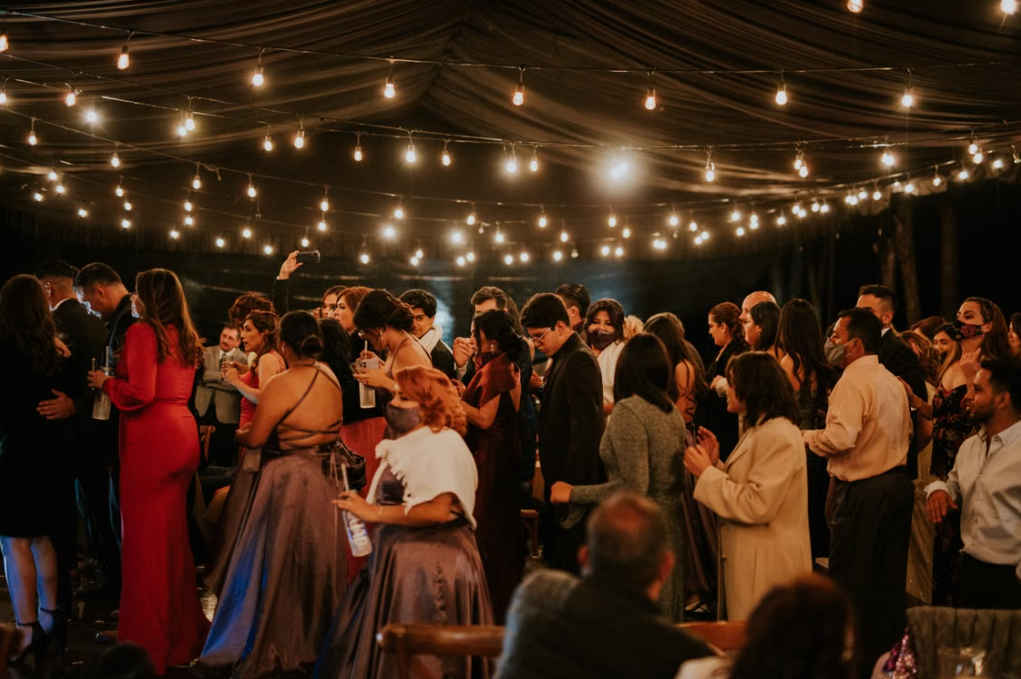
It is easy to assume a private party is low risk. Weddings, birthdays, reunions, and anniversary dinners feel controlled. The risk is still very real.
A single accident can cost thousands. If a guest is hurt or the venue is damaged, the bill often falls on the host.
Guest counts at private events can still reach a hundred people. That is enough to create real exposure for the host.
Many private venues now require special event liability insurance before you can book. They want proof that a claim will not fall on them. Coverage protects both you and the space you rented.
For most private events, a basic one-day policy is affordable and quick to set up. It lets you enjoy the day instead of worrying.
Why Public Gatherings Face Higher Exposure
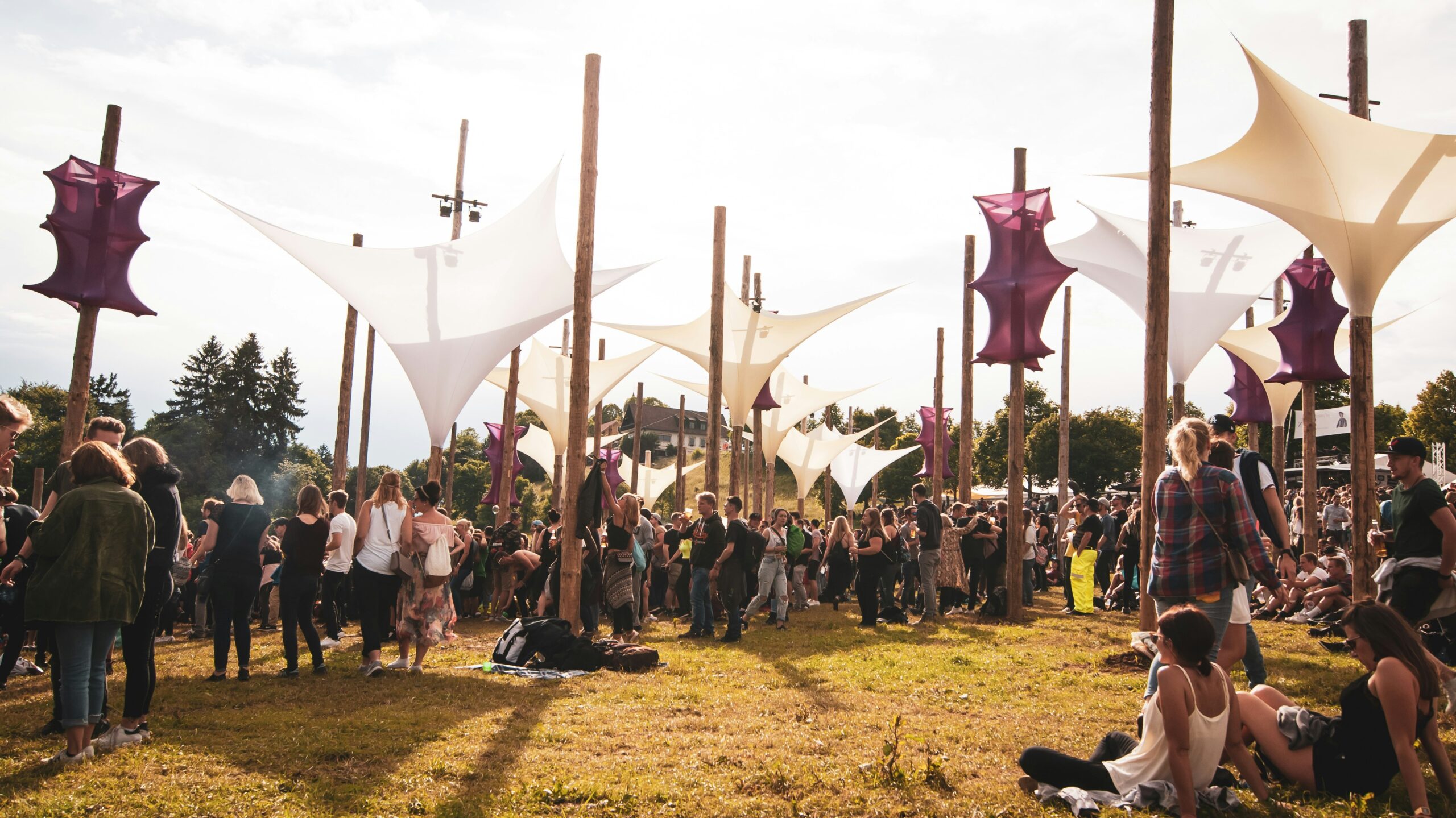
Public events raise the stakes in almost every way. Festivals, fundraisers, concerts, and races bring larger crowds and more vendors. More people means more chances for something to go wrong. Food, alcohol, live music, or physical activity push the risk higher. This is why special event liability insurance is treated as essential for public gatherings.
Public events also tend to happen on city property or public streets. That adds government requirements on top of any venue rules.
Organizers often carry higher limits for public events. The potential for a large claim is simply greater. A crowd of hundreds carries far more exposure than a backyard dinner. Vendors at public events often need their own coverage too. Many organizers ask each vendor to show proof before setup.
How Special Event Liability Insurance Meets Permit and Venue Requirements
This is where the paperwork gets specific. Venues and cities usually spell out what they need. Special event liability insurance is how you meet those terms.
The most common requirement is a certificate of insurance. It names the venue or the city as an additional insured. This extends your protection to them for claims tied to your event.
Many permits also ask for two endorsements:
- Primary and noncontributory. Makes your policy pay first.
- Waiver of subrogation. Stops your insurer from later going after the venue or city.
Coverage limits are rising in many places. Some cities have raised the minimum general liability from $1 million to $2 million per occurrence. Confirm the current number before you apply.
If alcohol is being sold, expect a separate liquor liability requirement. Read the permit or venue contract closely. It saves you from last-minute surprises with special event liability insurance.
Cities also set strict deadlines for your certificate. Some want it 30 to 45 days before the event. The certificate usually must list the event name and dates.
What the Policy Will Not Cover
Knowing the limits of coverage matters as much as knowing what is included. Special event liability insurance is not a catch-all.
Common exclusions include:
- Intentional acts.
- Injuries to you or your own staff.
- Pre-existing damage that was there before the event.
- Vendor mistakes, which are usually the vendor’s responsibility.
Standard policies also separate liability from cancellation. Protection for lost deposits is usually an add-on. It is not part of the base special event liability insurance policy.
Read the exclusions before you buy. It keeps you from assuming coverage you do not have. Ask questions if any term is unclear. A quick call before the event beats a denied claim after it.
When to Buy and What Affects the Cost
Timing matters more than people expect. Secure special event liability insurance as soon as you sign a venue contract. The same applies once you start putting down deposits.
Public events need coverage even earlier. Many cities require proof of insurance weeks before the event date. Waiting too long can delay your approval.
Cost depends on a handful of factors:
- Event type
- Guest count
- Duration
- Alcohol service
- Venue
- Your chosen limits
Many basic policies start between $65 and $125. That makes special event liability insurance one of the more affordable parts of hosting.
Higher limits and add-ons like cancellation coverage raise the price. For larger or higher-stakes events, they are often worth it.
It helps to gather your event details before requesting a quote. That includes the date, venue address, and expected attendance. A quote often takes only a few minutes online. Once it is set, you can send the certificate straight to your venue.
Getting the Right Coverage for Your Event
The right policy depends on the shape of your event. A quiet dinner and a public festival do not carry the same risks.
A few quick pointers:
- Private gatherings. Focus on the liability limits your venue requires and whether alcohol is involved.
- Public events. Watch permit terms, additional insured requirements, and the endorsements the city asks for.
Comparing a few options helps you match special event liability insurance to your needs. It keeps you from overpaying or coming up short. It also helps to use a provider that handles events often. They know what venues and cities tend to ask for.
Frequently Asked Questions (FAQs)
1. Is coverage required for a private party?
It depends on your venue. Many private venues require proof of coverage before they let you book. Even when it is not required, it still protects you. That applies if a guest is injured or the space is damaged.
2. How much does coverage for an event usually cost?
Basic policies often start between $65 and $125. The final price depends on your event type, guest count, duration, alcohol service, and the limits you choose. Higher limits and add-ons cost more.
3. What is an additional insured and why does the venue want it?
An additional insured is a person or organization added to your policy. It is usually the venue or the city. This extends your protection to them for claims tied to your event.
4. Does the policy cover event cancellation?
Not by default. Liability coverage and cancellation coverage are separate. To protect lost deposits from weather or illness, you usually add cancellation coverage as an option.
5. When should I buy coverage for a public event?
As early as possible. Many cities require proof of insurance weeks before the event as part of the permit process. Buying early keeps your permit on track.